Bookstore Lists
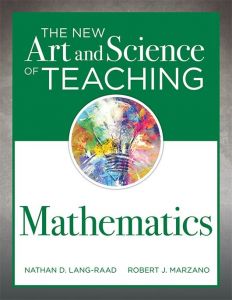
- The New Art and Science of Teaching Mathematics
Make the most of the New Art and Science of Teaching model in math classrooms. Discover teaching resources, tools, and instructional strategies for math that will aid teachers in articulating learning targets, conducting math lessons, tracking students’ learning outcomes, and more.
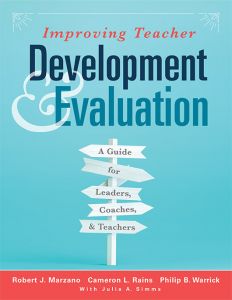
$40.95 - Improving Teacher Development and Evaluation
A Guide for Leaders, Coaches, and Teachers
Written for teachers, coaches, and educational leaders, this resource offers a paradigm-shifting approach to teacher development and evaluation. Readers can further their professional growth through self-reflection strategies.
$45.95 - Teaching in a Competency-Based Secondary School
The Marzano Academies Model
Marzano Resources presents a model of instruction for high school teachers that will aid in student learning, support individual growth, and foster community in competency-based education. Facilitators will use this definitive guide to implement research-based instructional strategy examples in the classroom.
$45.95 - Assessment Literacy for Educators
Rethinking the What, Why, and How of Assessment and Grading
Don’t settle for outdated grading practices. This book, guided by 43 essential tenets and split into three parts, provides a research-based framework to help educators design accurate, equitable assessments. Learn how to truly measure student growth and proficiency, moving beyond traditional models.
$48.95 - Competency-Based Practices
Factors for Successful Implementation
Access thirty years of field-tested strategies from the original pioneers of competency-based education. These authors are multi-level implementers—from the classroom to the district office—revealing the eight factors that impact successful implementation while ensuring system alignment and teacher clarity.
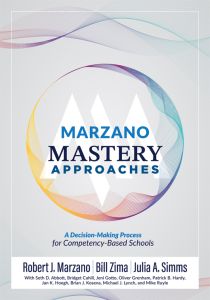
$45.95 - Marzano Mastery Approaches
A Decision-Making Process for Competency-Based Schools
This book champions competency-based education, outlining its history and benefits. It explores structural components such as organizing systems, foundational changes, student outcomes, agency, and equity, and procedural components such as assessment, instruction, and teacher facilitation. By embracing these principles, educators can create dynamic, student-centered learning environments.
$45.95